

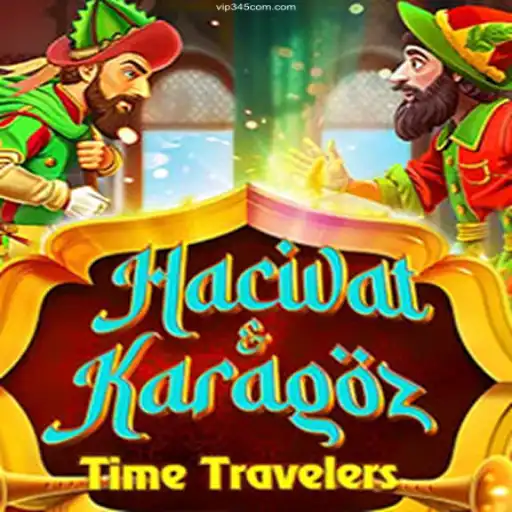
Understanding the Unique Charm of HacivatandKaragoz
The world of traditional games is rich and varied, often reflecting the cultural and historical intricacies of the regions they originate from. HacivatandKaragoz is one such example, deeply rooted in the cultural tapestry of Turkey. This game not only provides entertainment but also serves as a medium for cultural expression and education.
The Cultural Roots of HacivatandKaragoz
HacivatandKaragoz, originating from the Ottoman Empire era, is traditionally a shadow puppet play. While it might not fit into the typical structure of modern-day digital games, its impact and significance transcend time and geography. The play revolves around two main characters, Hacivat and Karagoz, who engage in witty dialogue and humorous scenarios that often include social commentary. These performances have historically been used to subtly critique and reflect on societal norms and behaviors.
Introduction to the Gameplay
Though primarily a performance, the elements of interaction and story within HacivatandKaragoz allow it to be categorized within game-like structures. Traditionally performed during the holy month of Ramadan, these performances would occur in public squares and involved intricate puppetry skills that captivated audiences for hours.
Over time, these performances have seen adaptations that allow them to be more interactive, engaging audiences directly. In some modern interpretations, elements of role-playing and choice-based outcomes are added, drawing parallels to contemporary story-driven video games.
Rules and Structure
The essence of HacivatandKaragoz is its narrative structure, which is as much about the unfolding story as it is about the delivery. Each performance starts with a prologue setting the scene and introducing the characters. The dialogues are central to the play’s dynamics, characterized by clever wordplay and cultural references.
While there are no strict 'rules' in the conventional gaming sense, each story follows a loose progression from introduction through to conflict and resolution. The humor often arises from Karagoz's misunderstandings and Hacivat's attempts to guide him, providing a timeless source of comedy for audiences of varied ages.
Current Trends Influencing Traditional Games
In the context of current gaming trends, there is a noticeable resurgence in interest towards games with cultural narratives offering depth beyond the surface level of interaction. This resurgence can potentially be linked to the increasing popularity of immersive storytelling within mainstream video games and the conscious consumer movement that values traditional art forms.
Furthermore, the advent of virtual platforms has influenced traditional genres. Games such as HacivatandKaragoz are experiencing a transformation as online platforms provide new opportunities for creators to adapt these age-old stories for a global audience. This is similar to trends noticed in the world of online gambling and casinos, like those referenced by platforms such as VIP345.COM, where traditional card games find new life in virtual formats.
Comparative Insights with Online Gambling
The rise of online casinos has created a digital environment where traditional games find a new context. Sites like VIP345.COM offer a plethora of options, akin to a virtual arcade featuring over 2,500 certified games, bridging classic gameplay with modern digital facilitation. The promise of substantial sign-up bonuses, such as a R$ 5,000 offer, attracts a diverse demographic eager to experience traditional gambling in a new light.
This intersection between the digital and the traditional invites questions about how games like HacivatandKaragoz could similarly evolve. As modern consumers gravitate toward rich, narrative-driven experiences, platforms may begin integrating narrative-driven puppet tales into their roster of gaming options.
The Future of HacivatandKaragoz
Given its potential, HacivatandKaragoz might follow this digital trend, seeing reinvention in virtual narratives or as part of interactive storytelling games. This broadening of scope may include adaptations that bring this traditional game into digital realms, enhancing its reach while maintaining its core cultural and educational values.
In conclusion, while HacivatandKaragoz boasts a rich tradition, modern platforms provide a canvas to expand its influence. Understanding these intersections allows appreciation of both historical cultural artifacts and their adaptations within contemporary digital contexts, creating a dialogue between past and present entertainment forms.